From Folded Tees to Collector's Gold: The Booming Business Behind Concert Merch
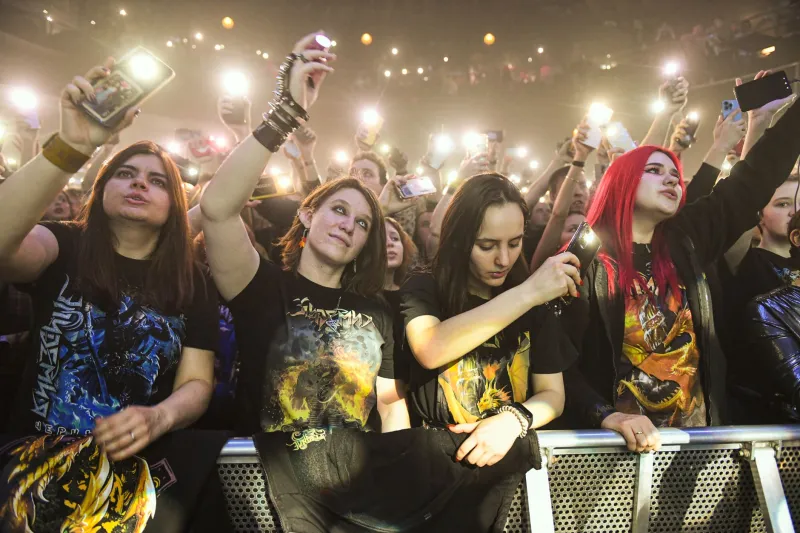
Walk into any arena on a busy Friday night and the merch table isn't hard to find. Just follow the line — the one that sometimes snakes around the concourse before the opening act has even hit the stage. What used to be a folding table stacked with screen-printed tees has transformed into something closer to a pop-up boutique, complete with embroidered crewnecks, limited-edition posters, and tour-exclusive items you genuinely cannot get anywhere else. And fans are spending, big.
This isn't a niche trend. Concert merchandise has become a serious financial pillar for artists at every level, from the indie act playing a 500-cap room in Austin to the stadium headliner selling out three nights in Chicago. The economics, the design strategy, and the fan psychology behind all of it are way more fascinating than that $65 hoodie might suggest.
The Numbers Behind the Table
For decades, merchandise was treated as a bonus — a little extra cash on the road to offset van repairs and gas money. That math has changed dramatically. Industry insiders estimate that top-tier touring artists can pull in anywhere from $500,000 to several million dollars in merch revenue on a single major tour. For some acts, a single high-demand night at Madison Square Garden can move six figures in product before the encore.
What shifted things? A combination of streaming economics and fan culture. When album sales collapsed and streaming royalties turned out to be far less lucrative than anyone hoped, artists had to find new ways to monetize their audience directly. Touring and merch became the answer — and savvy acts leaned into both hard.
Venues take a cut, typically somewhere between 20 and 35 percent of gross merch sales, which has pushed some artists to sell directly online before and after shows or invest in tour-specific drops that bypass the traditional table entirely. But even with that split, the margins on a well-priced hoodie or limited poster can be significant, especially when the artist controls the design and production pipeline.
Scarcity Is the New Strategy
Ask any hardcore concertgoer why they sprinted to the merch table before doors even officially opened, and you'll probably hear some version of the same answer: "Because it sells out."
Limited availability has become one of the most powerful tools in a band's arsenal. Artists like Taylor Swift, Tyler the Creator, and Billie Eilish have mastered the art of the exclusive drop — items tied specifically to a city, a venue, or a single night of a tour. A shirt that says "Chicago Night Two" isn't just a shirt. It's proof of presence. It's a timestamp. And once it's gone, it's gone.
Merch designers who work with touring acts say that scarcity is baked into the creative process from the start. "We're not just making product," one freelance designer who works with mid-size touring acts explained. "We're making artifacts. The goal is that someone sees it on your Instagram two years from now and thinks, 'Where did they get that?'"
That thinking has pushed concert merch into territory that used to belong exclusively to streetwear and sneaker culture — numbered prints, artist-signed variants, collab pieces with known brands. The line between band merch and collectible art has never been blurrier.
Why Fans Open Their Wallets So Wide
Let's be honest: $60 for a hoodie is a lot of money. So is $45 for a poster or $35 for a hat. And yet fans buy without much hesitation, often multiple items in a single night. What's actually going on there?
A lot of it comes down to identity and memory. Wearing a band's merch isn't just fashion — it's a statement about who you are and what you've experienced. There's a reason people still wear concert shirts from shows they attended fifteen years ago. The item becomes emotionally attached to the memory of the night, the music, the people they were with.
There's also a strong community element at play. Spotting someone across a coffee shop in the same tour hoodie you own creates an instant connection. It signals shared taste and shared experience in a way that a playlist never really can.
For younger fans especially, physical merch also serves as a counterweight to the intangibility of streaming. When you've never owned a CD or a record, a tour tee might be the most tangible thing you have to show for your love of an artist. It's something you can hold, wear, and point to.
The Design Side of the Drop
Behind every successful merch run is a creative team working hard to make sure the product feels worth the price tag. Gone are the days when a band logo slapped on a Gildan blank was enough to move inventory. Today's fans can spot cheap construction and lazy design from across the room, and they'll pass.
The best merch programs now involve actual art direction — thoughtful typography, original illustrations, quality blanks from brands fans already respect. Some artists commission local artists in each tour city to design city-specific pieces, which adds a layer of cultural specificity that makes the item feel even more singular.
Venue managers who oversee merch operations say the shift in quality has been noticeable over the past five to seven years. "The stuff coming through now looks like it belongs in a boutique," one venue operations manager noted. "Bands understand that their merch is an extension of their brand, not an afterthought."
Merch as Fan Relationship, Not Just Revenue
Perhaps the most underrated function of concert merchandise is what it does for the long-term relationship between an artist and their audience. When a fan buys a piece of merch, they're not just making a transaction — they're investing in an artist's story. And artists who treat that investment with respect tend to build the kind of loyalty that keeps people coming back tour after tour.
Exclusive items, surprise drops at the venue, or even a handwritten note tucked into an online merch order — these gestures matter more than they might seem. They signal that the artist sees the fan as more than a ticket sale.
In a live entertainment landscape that's constantly competing for attention and dollars, the merch table has quietly become one of the most personal touchpoints between performer and audience. It's a front-row seat to the business of fandom — and clearly, people can't get enough of it.