Same Tour, Totally Different Show: Why Die-Hard Fans Are Following Artists Across the Country
If you've ever stood in a crowd and thought, man, I wish they'd played that other song instead, you're not alone. But here's the thing — if you'd driven two states over and caught the same tour a week earlier, they probably did. Welcome to the era of the intentional setlist swap, where some of the biggest names in live music are turning every tour stop into its own distinct experience.
This isn't just a happy accident or a last-minute shuffle. For a growing number of artists, customizing the setlist by city, venue size, and even crowd demographics has become a deliberate strategy — one that rewards the fans willing to follow the tour and keeps the experience feeling genuinely live rather than like a polished, repeating production.
It's Not Random — It's a System
Ask anyone who works in touring and they'll tell you: nothing about a major show happens without a plan. Setlist variation is no different. Tour managers and production teams spend weeks — sometimes months — building out what the industry calls "setlist pools," essentially a rotating menu of songs the artist is prepared to perform on any given night.
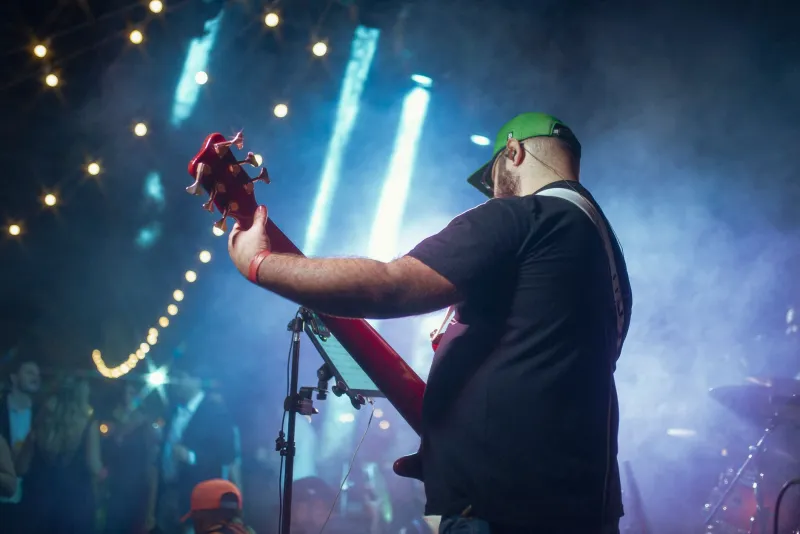
"You're not just swapping songs on a whim," says one touring production coordinator who has worked with multiple arena-level acts. "The lighting cues, the stage mechanics, the monitor mix — all of it has to be rehearsed for every song in that pool. If a song is in rotation, the whole crew has to be ready for it."
That's a serious logistical lift. For a headliner with a catalog spanning 15 years and multiple albums, maintaining a live-ready pool of 40 or 50 songs means extra rehearsal time, more complex show files for the lighting and sound engineers, and a crew that has to stay sharp across the entire run.
"The sound engineer's job gets a lot harder when the set changes nightly," the coordinator adds. "You can't just muscle-memory your way through the mix. You have to stay locked in."
Why Artists Are Actually Doing This
So why go through all that trouble? A few reasons — and they're not all purely artistic.
For one, social media has made setlists completely transparent. Before an artist even walks off stage in Denver, fans in Dallas already know every song that was played, in order. That kind of real-time information flow has actually worked in favor of setlist variation — because it means superfans in city two know they might get something different, and that anticipation drives ticket sales for later dates.
There's also a genuine artistic motivation at play. Artists who've been touring the same album for two years can get creatively restless. Rotating the set keeps things interesting for the performer too, not just the audience.
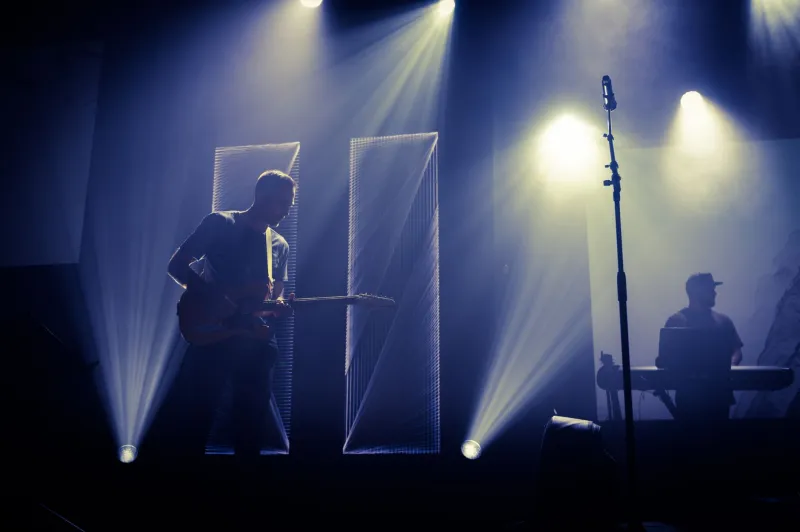
And then there's the venue factor. A 2,000-seat theater in Nashville calls for a completely different energy than a 20,000-seat arena in Los Angeles. Smaller rooms tend to pull out deeper cuts and more intimate acoustic moments, while the big sheds get the hits and the pyro. Artists who are thoughtful about their craft lean into that distinction hard.
The Artists Fans Are Chasing Across State Lines
Certain names come up again and again in fan communities when the conversation turns to setlist variation. Phish has basically built an entire culture around it — their improvisation-heavy shows are structurally incapable of being the same twice, and their fanbase has followed them across the country for decades because of it. But even outside of the jam band world, artists like Taylor Swift, Paramore, and Hozier have become known for surprising fans with rare tracks, acoustic versions, and unexpected covers that don't show up every night.
Swift's Eras Tour, in particular, became a case study in setlist strategy. The "surprise song" segment — where she performed a different acoustic number each night — sent fans into a frenzy of speculation and drove a secondary market of fans comparing notes across dates. Some people attended four, five, or six shows just chasing a song they hadn't heard live yet.
That's not a coincidence. That's a feature.
The Fan Side of the Equation
For the people actually following these tours from city to city, the setlist swap is the whole point. Online communities on Reddit, Discord, and fan forums have developed entire subcultures around tracking nightly setlists, predicting what might get played where, and coordinating multi-city trips.
"I did six nights on the last run I followed," says one self-described "tour rat" from Chicago who asked to remain anonymous. "Every night I was hearing at least three or four songs I hadn't heard the previous show. That's the whole reason you go back."
The economics of it are real, though. Multi-city concert trips aren't cheap, and the fans doing it are making genuine financial commitments based on the hope — not the guarantee — of a different experience. That's a significant amount of trust to extend toward an artist, and the ones who take it seriously tend to develop some of the most loyal fan bases in the business.
What It Takes Behind the Scenes
Pulling off nightly variation at scale requires the kind of coordination most fans never think about. Crew calls start earlier, production meetings get longer, and the communication chain between the artist, the musical director, and the technical team has to be airtight.
Many touring acts now use dedicated setlist apps or shared production platforms where the night's running order gets locked in a few hours before doors open — giving the crew just enough time to prep while keeping the decision close enough to showtime that the artist can factor in the vibe of the city, the size of the crowd, or even the weather.
"Sometimes the artist walks in for soundcheck and just feels something different," one monitor engineer explained. "And if the infrastructure is there to support it, you can make that call. That's when live music is at its best — when it's actually responding to something real."
The Takeaway for Live Music Fans
If you've been on the fence about catching a second show on a tour you've already seen, this is your sign to look at the setlist history first. Websites like Setlist.fm track every show in real time, making it easier than ever to see exactly how much an artist is mixing things up night to night.
The artists who are truly committed to the live experience aren't just selling you a ticket to a concert — they're selling you a version of the show that only exists that night, in that room, for that crowd. And for the fans who get that, no two shows on the same tour will ever feel exactly the same.