Likes to Lights: How a Viral Clip Can Land You a Sold-Out Tour
Not long ago, getting signed to a major label was the golden ticket. You recorded demos, played dingy clubs, networked with the right people, and — if the stars aligned — maybe someone with a business card and a corner office gave you a shot. That pipeline still exists, but it's no longer the only road to a packed arena. These days, a bedroom, a ring light, and a hook that hits in the first three seconds can do what years of grinding used to take.
Welcome to the era of the social-first performer.
The Algorithm Is the New A&R Rep
For the uninitiated, A&R — Artists and Repertoire — is the label division responsible for scouting and developing talent. For decades, these gatekeepers decided who got heard. Now, platforms like TikTok, Instagram Reels, and YouTube Shorts are doing a version of that job, except without the exclusivity clause.
When a clip goes viral, it's not just racking up views. It's building a fanbase in real time — one that's emotionally invested, algorithmically engaged, and, crucially, already willing to show up. Venue bookers and promoters have taken notice. "We're absolutely looking at social metrics now when we evaluate talent," says one independent venue talent buyer based in Nashville. "An artist with 800,000 TikTok followers and strong engagement tells us something very specific about ticket demand. That used to be impossible to predict at early career stages."
The data backs this up. Several artists who blew up via short-form video — think of the wave that followed artists like Olivia Rodrigo's early social presence, or the overnight trajectories of acts discovered through viral covers — have transitioned to headlining tours within 18 months of their first viral moment. That timeline would have been unthinkable in the pre-streaming era.
From Comments to Crowds
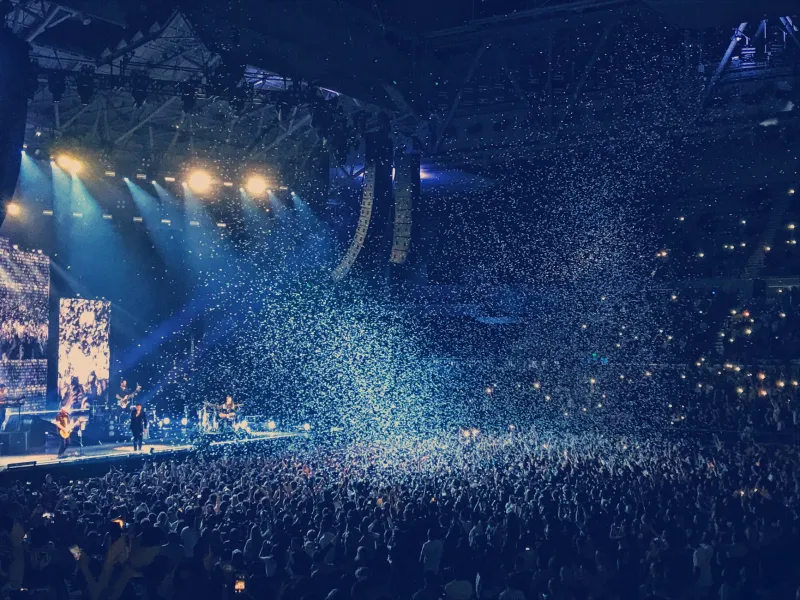
But here's where it gets interesting: going viral and going on tour are two very different skill sets. Performing for a phone camera in your living room doesn't exactly prepare you for 10,000 people and a monitor mix that sounds like it's coming from another dimension.
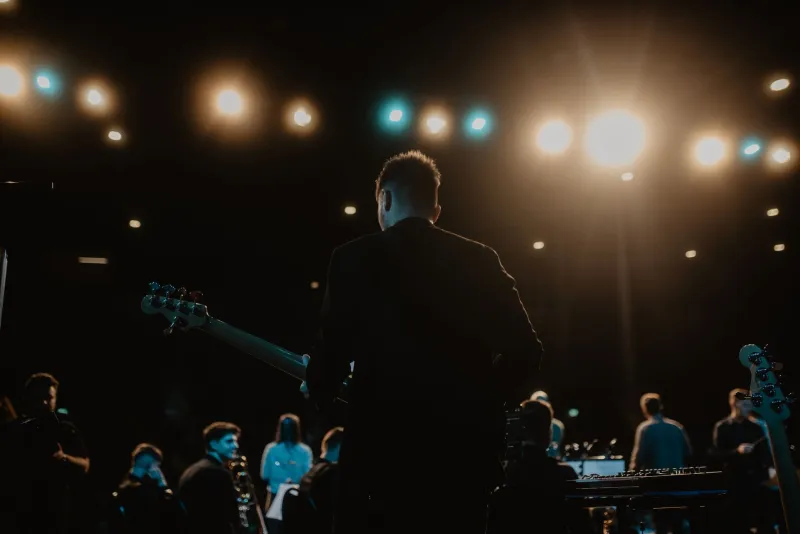
Emerging artists are increasingly candid about how jarring that transition can be. Mara Voss, a 24-year-old singer-songwriter from Columbus, Ohio, racked up nearly 2 million views on a stripped-down acoustic clip before she'd ever played a venue with a green room. "My first real show, I had a full band behind me for the first time," she told us. "I'd rehearsed it, but nothing prepares you for the actual energy of a crowd that knows your words. It's overwhelming in the best way, but also terrifying."
That gap between digital fame and stage readiness has spawned a cottage industry of its own. Vocal coaches, performance consultants, and even dedicated "live transition" programs at music schools are popping up specifically to help social-native artists get stage-ready fast. Some management companies now build live performance training directly into their onboarding process for any artist who came up through short-form content.
Venues Are Rewriting Their Playbook
On the other side of the equation, venues are adapting — some more gracefully than others. The traditional booking calendar is built around historical draw data: how many tickets did this artist sell last time? If the answer is "they've never toured," you're working blind.
Smaller clubs and mid-size venues in cities like Austin, Chicago, and Los Angeles have been the most nimble. They're willing to take calculated risks on socially-built artists for shorter ticket windows, sometimes announcing shows just a few weeks out to test demand quickly. If the Spotify streams are healthy, the TikTok comments are full of "TOUR PLEASE" and the artist has a rabid, responsive fanbase, that's enough to justify a 300-cap room.
The gamble sometimes pays off spectacularly. There are documented cases of artists announcing a small venue show and selling out within hours, then scrambling to upgrade to a larger space. It's chaotic, but it's also proof that the demand is real — and that traditional forecasting models weren't built for this moment.
Larger venues and amphitheaters are more cautious, typically waiting until an artist has at least one successful mid-size run before committing to bigger rooms. But even at that level, social metrics have become a formal part of the booking conversation. Follower counts, engagement rates, and the ratio of video views to actual saves or shares are all getting scrutinized in ways they weren't five years ago.
The Fan Relationship Is Different — And That Matters Live
One thing that consistently surprises people who attend shows by socially-native artists: the energy in the room is different. These fans didn't discover the artist through a playlist or a magazine feature. They found them through a comment section. They watched them rehearse, stress about lyrics, and post awkward behind-the-scenes clips. They feel like they know these people.
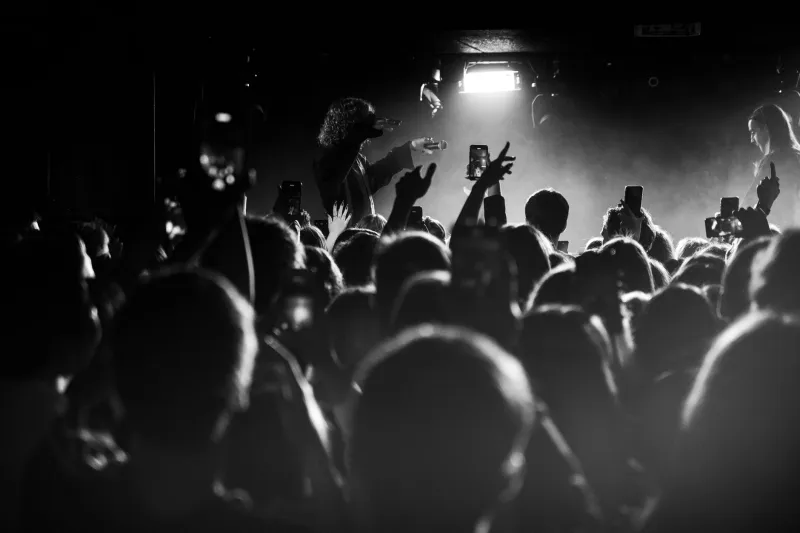
That parasocial closeness translates into something electric at live shows. Audiences sing every word, not just the chorus. They hold up signs referencing inside jokes from old videos. They cry at the merch table. It's a level of emotional investment that arena-level legacy artists often spend decades cultivating.
"My fans showed up for me before I had anything to show them," Mara Voss says. "When they're in the crowd, it doesn't feel like a performance. It feels like a reunion."
For venues and promoters, that intensity is a feature, not a bug. Happy, emotionally connected audiences spend more at the bar, at merch tables, and — most importantly — they come back.
What This Means for the Future of Live Music
The traditional path to a live music career isn't dead. Major labels still develop artists, and plenty of the biggest names in touring came up through conventional channels. But the monopoly is over.
What social media has done is create parallel pipelines — multiple roads to the same destination. And in many ways, the artists who build their audience organically through short-form content arrive at the stage with something money can't buy: a fanbase that chose them before they were polished, before they were packaged, before anyone told them they were supposed to care.
For live entertainment, that's not just a trend. That's a fundamental shift in where talent comes from and how audiences bond with it. And if you want a front-row seat to what that looks like in real time, you already know where to find it — just check your phone.