Behind the Curtain: The Secret Science of Building the Perfect Concert Setlist
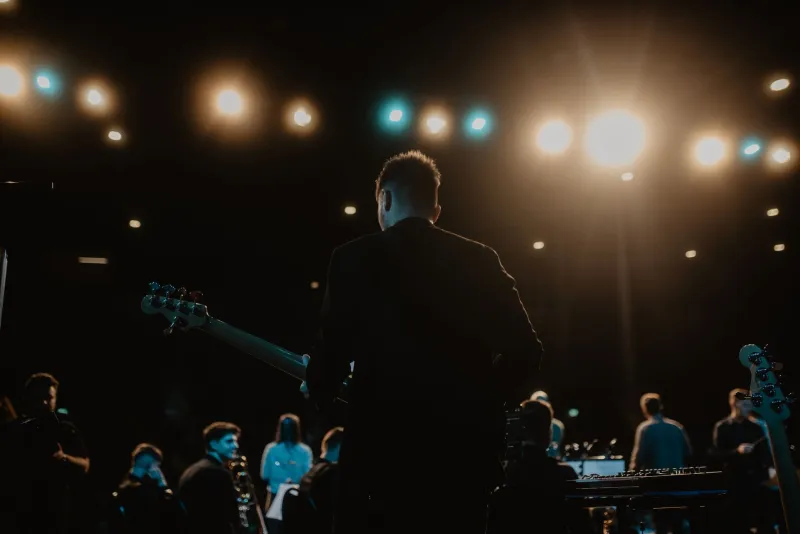
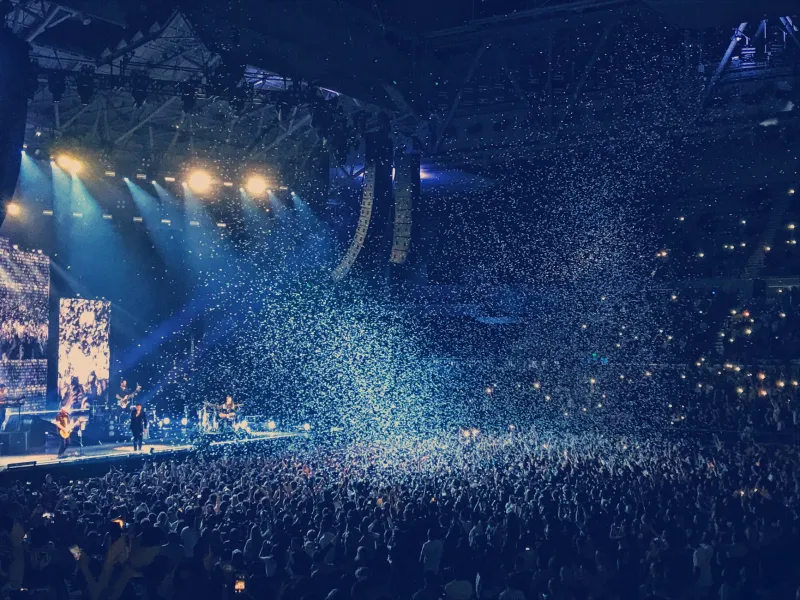
You've been standing in line for two hours, you've got your overpriced beer in hand, and the lights finally go dark. That first note hits and the crowd absolutely loses it. What you probably don't realize is that the song choice in that opening slot wasn't an accident — it was the result of weeks, sometimes months, of careful planning, negotiation, and a little bit of gut-level instinct.
Welcome to the world of setlist construction, one of live entertainment's most underappreciated crafts.
More Than Just a Playlist
Ask most casual concertgoers how a setlist gets made and they'll probably shrug and say something like, "The artist just picks their favorites, right?" Not quite. The reality is far more layered. For mid-level touring acts playing 200 to 2,000-seat venues across the country, the setlist conversation often begins weeks before the first tour date and involves a surprisingly large cast of characters.
Take Maren Hollis, a Nashville-based indie-folk artist who tours regionally about six months out of the year. She told us that her setlists go through at least three or four drafts before she even steps into soundcheck. "I start by thinking about the emotional arc," she explained. "I want people to feel something at the beginning, something different in the middle, and then I want to send them home with a feeling they can't shake. It's like writing a short story every single night."
That narrative approach is more common than you might think. Veteran tour managers and production crews talk about setlists in cinematic terms — acts, climaxes, resolutions. It's storytelling with guitars and lighting rigs.
The Logistics Nobody Talks About
Here's where it gets technical. Sound engineers are often the unsung heroes of setlist planning, and their input carries serious weight. Jake Ferreira, a live sound engineer who's mixed front-of-house for touring acts across clubs and theaters from Boston to Portland, Oregon, says venue acoustics can genuinely change which songs make the cut.
"Some rooms just don't handle low end well," he said. "If an artist has a song that's built around a really heavy bass line, and we're playing a venue with a notoriously boomy room, I'll flag that in pre-production. Sometimes they'll move that song, sometimes they'll pull it entirely."
Beyond acoustics, there are practical concerns around key changes, instrument swaps, and costume transitions that affect song sequencing. A song that requires a guitarist to switch from electric to acoustic takes time — time that has to be built into the flow of the show. Tour managers often map out these logistics on spreadsheets that look less like a music setlist and more like a production schedule.
The Fan Favorites vs. New Material Tug-of-War
Every touring artist faces the same tension: play the hits and keep the crowd happy, or push the new record and risk restless energy in the room. There's no perfect answer, but there are strategies.
Maren Hollis described a method she calls "sandwiching" — placing new or unfamiliar songs between proven crowd-pleasers. "If I drop a brand new song right after my most-streamed track, people are still riding that high. They'll give the new song a fair shot. But if I open with something nobody knows yet, I'm starting from zero."
That instinct is backed up by data. Several artists and their management teams now use streaming analytics, social listening tools, and even setlist.fm data to understand which songs fans are actively searching for in each market. A show in Austin might call for a different configuration than one in Chicago, because regional fan bases sometimes develop distinct attachments to different parts of a catalog.
When the Setlist Has to Change Mid-Show
Here's something that might surprise you: even the most meticulously planned setlist gets thrown out sometimes. Technical failures, crowd energy, a broken string, a power outage — live entertainment is unpredictable by definition, and experienced artists learn to read the room and pivot.
Jake Ferreira recalled a show where the headliner dropped a planned song mid-performance because the energy in the room called for something more stripped-down. "The artist looked at me from the stage, held up two fingers, and I knew exactly what that meant — we were cutting to a different configuration. It was all worked out in advance as a contingency. That kind of preparation is what separates pros from everyone else."
Tour managers sometimes carry laminated backup setlists — literally alternate versions of the show — that can be deployed depending on how the night unfolds. It sounds excessive until you're standing in a venue where the crowd is going wild and the artist needs to make a split-second call.
The Encore Game
Let's be honest — the encore is a bit of theater in itself. Almost everyone in the building knows the artist is coming back. The band knows it. The crew knows it. And yet, that moment of darkness, that collective anticipation, is a crucial emotional beat in the live experience.
The songs chosen for the encore slot are almost always the most strategically placed of the entire night. This is where the biggest hit, the most emotionally resonant deep cut, or the surprise cover gets deployed. Artists and their teams agonize over this slot more than almost any other.
"The encore is your last impression," Maren Hollis said. "Whatever I leave people with, that's what they're going to talk about on the drive home. I take that really seriously."
What This Means for You as a Fan
Next time you're at a show and the setlist surprises you — or doesn't — know that there's an entire invisible infrastructure behind every song choice. The opener that pumps you up, the slow burn in the middle, the moment where the artist steps away from the mic and lets the crowd carry the melody — none of it is accidental.
Live entertainment at its best is a conversation between performer and audience, and the setlist is the script. It's just one that gets rewritten, rethought, and sometimes torn up entirely — all in the name of giving you the best possible night out.
That's the magic of the live show. And now you've got a front-row seat to how it really works.