These 10 American Music Venues Are Worth Planning Your Whole Trip Around
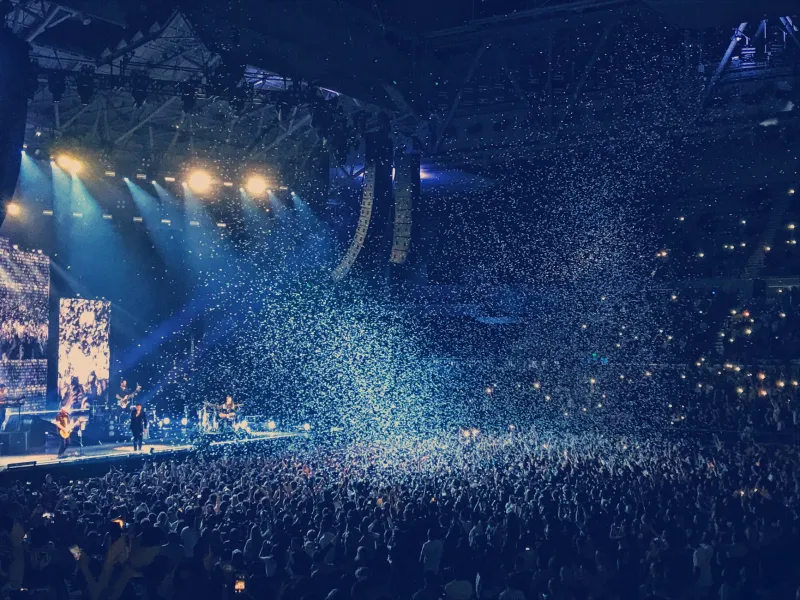
There are concerts, and then there are experiences. The difference often has as much to do with where you're standing as who's on stage. A great venue transforms a live performance into something you carry with you for years. The right room, the right acoustics, the right history — it all adds up.
We've put together a list of ten venues across the US that go way beyond just hosting shows. These are places that have earned their reputations, shaped American music culture, and continue to deliver the kind of nights that make you remember why you fell in love with live entertainment in the first place.
1. Ryman Auditorium — Nashville, Tennessee
If American music has a spiritual home, a strong case can be made for the Ryman. Built in 1892 as a gospel tabernacle, this National Historic Landmark served as the original home of the Grand Ole Opry and has hosted everyone from Hank Williams to Jack White. The pew seating is famously uncomfortable. Nobody cares. The acoustics are otherworldly — the curved wooden balconies create a natural warmth that modern concert halls spend millions trying to replicate. If you're a country or Americana fan especially, this one is non-negotiable.
What makes it special: The stained glass windows, the pew seating, and the sense that you're sitting inside a living piece of American musical history.
2. Red Rocks Amphitheatre — Morrison, Colorado
Red Rocks doesn't need much of an introduction, but it deserves one anyway. Carved into naturally occurring 300-foot sandstone formations just outside Denver, this outdoor amphitheater seats about 9,500 people and delivers a visual and sonic experience that literally cannot be replicated anywhere else on earth. The Beatles played here. U2 filmed a legendary live album here. Phish fans make annual pilgrimages. The altitude is real — bring layers and water — but the payoff is a show you'll be describing to people for the rest of your life.
What makes it special: The geology IS the venue. No human-built structure can compete with 300-million-year-old rocks as your backdrop.
3. The Fillmore — San Francisco, California
The Fillmore is where the psychedelic rock era was born. In the late 1960s, Bill Graham turned this mid-sized ballroom in San Francisco's Western Addition neighborhood into the epicenter of American counterculture music, booking the Grateful Dead, Jefferson Airplane, and Jimi Hendrix before anyone else knew what to do with them. Today it still operates as a working venue with a capacity of about 1,150, and the tradition of giving every attendee a free apple and a concert poster at the door remains intact. The walls are covered in framed posters from decades of shows — it's part music venue, part museum.
What makes it special: The history is literally on the walls, and the intimate size makes even major artists feel accessible.
4. Madison Square Garden — New York City, New York
Yes, it's massive. Yes, the upper deck nosebleeds are a hike. But MSG earns its title as "The World's Most Famous Arena" through sheer accumulated cultural weight. Billy Joel's ongoing residency. The Rolling Stones. Led Zeppelin. Bruce Springsteen. Every major artist who has ever mattered has played this room, and playing MSG remains a career milestone unlike any other. The arena holds up to 20,000 people and sits directly above Penn Station in midtown Manhattan, making it one of the most accessible major venues in the country.
What makes it special: The mythology. When an artist says "Good evening, New York City," at MSG, there's electricity in that moment that's hard to explain and impossible to forget.
5. 9:30 Club — Washington, D.C.
Ask any serious indie music fan about the best club-sized venue in America and the 9:30 Club's name will come up immediately. Capacity around 1,200, exceptional sightlines from every corner of the floor, a sound system that touring engineers consistently rave about, and a booking calendar that somehow manages to catch artists both on their way up and at their peak. Located in the U Street Corridor, the club has been a fixture of D.C.'s music scene since 1980 and shows absolutely no signs of slowing down.
What makes it special: Near-perfect sound, zero bad spots in the house, and a track record of booking tomorrow's headliners today.
6. The Preservation Hall — New Orleans, Louisiana
This one operates on its own terms. Preservation Hall is a small, deliberately rustic performance space in the French Quarter that has been dedicated to traditional New Orleans jazz since 1961. There are no cocktails. Seating is limited. The building itself is beautifully worn. And the music — performed nightly by the Preservation Hall Jazz Band and rotating local musicians — is as authentic as it gets anywhere in the world. This isn't a tourist trap; it's the real thing, and it draws serious music lovers from every corner of the globe.
What makes it special: The stripped-down focus on pure musical tradition. Nothing is for show except the music itself.
7. The Paramount Theatre — Seattle, Washington
Seattle's Paramount is a 1928 movie palace that was converted into a concert venue and has been one of the Pacific Northwest's premier stages ever since. The ornate interior — think gilded ceilings, plush seating, and dramatic chandeliers — creates a sense of occasion that feels genuinely old-school in the best possible way. Capacity sits around 2,800, and the sight lines are excellent throughout. The venue books everything from orchestral performances to major touring rock acts, making it one of the most versatile rooms on the West Coast.
What makes it special: The architecture transforms every show into a formal event, even when the music is anything but formal.
8. The Bluebird Cafe — Nashville, Tennessee
Yes, Nashville gets two entries. The Bluebird Cafe earns it. This tiny listening room in a strip mall on Hillsboro Pike seats about 90 people and operates on a simple, radical premise: the audience is expected to be quiet and pay attention. No distractions, no background noise — just songwriters performing in the round, often sharing the songs that became someone else's massive hit. Taylor Swift was famously discovered here. Garth Brooks played here before he was Garth Brooks. Getting a reservation requires some planning, but it's one of the most intimate live music experiences available anywhere in the country.
What makes it special: The enforced intimacy. You're not watching a performance — you're eavesdropping on a conversation between songwriters.
9. The Apollo Theater — Harlem, New York
The Apollo's Amateur Night has launched careers since 1934. Ella Fitzgerald, James Brown, Stevie Wonder, and Lauryn Hill all passed through that stage as unknowns. Today the Apollo continues to operate as both a working performance venue and a living monument to Black American musical excellence. The 1,500-seat theater hosts a mix of legacy acts, emerging artists, and major cultural events throughout the year. Touching the famous Tree of Hope stump before a performance remains a tradition for artists who play the Apollo stage.
What makes it special: The cultural weight of the room is unlike anything else in American entertainment history.
10. The Orange Peel — Asheville, North Carolina
Asheville's music scene is one of America's best-kept secrets, and the Orange Peel sits at its center. This mid-sized club with a capacity of about 1,000 has been named one of the country's best live music clubs by Rolling Stone and consistently punches above its weight in terms of booking quality. The spring floor — literally designed to bounce — makes it a physical experience as much as an auditory one. Surrounded by Asheville's thriving arts community, a night at the Orange Peel often leads naturally into a broader exploration of one of the most creatively alive small cities in the Southeast.
What makes it special: The bouncy floor, the community energy, and the sense that you've discovered something the rest of the country hasn't fully caught onto yet.
Whether you're planning a dedicated music road trip or just looking to make your next show count for more than a night out, these ten venues offer something that goes beyond the performance itself. They're destinations. And they're waiting for you.