Broadway Tickets Are Expensive. Here's How Real Fans Are Still Getting In the Door
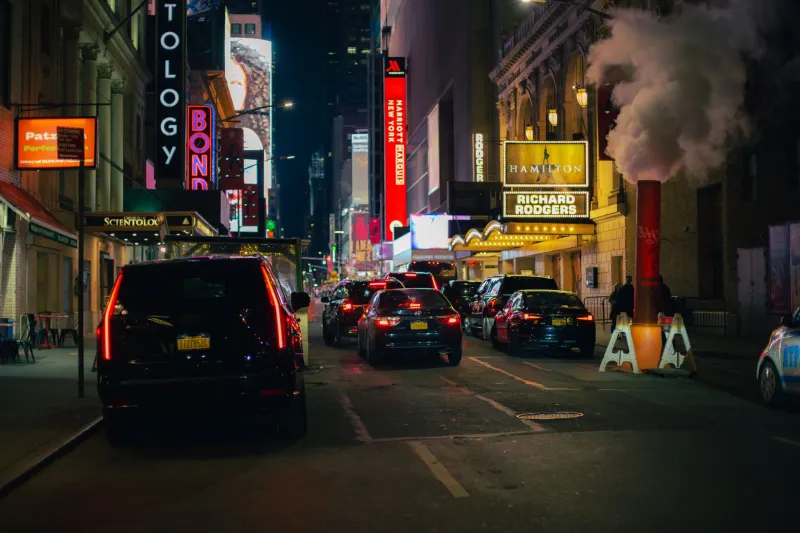
Let's just say the quiet part out loud: Broadway is expensive. Like, genuinely, increasingly, sometimes jaw-droppingly expensive. The average ticket price for a Broadway show has been climbing steadily for years, and according to industry data, it now regularly clears $150 per seat — and that's the average. Try buying a premium orchestra seat for a hot new musical during its opening run and you might be staring down $400, $600, or more.
So what's going on, and more importantly, what can you actually do about it if you love live theater but you're not made of money?
The Economics Behind the Sticker Shock
Here's the honest answer: putting a Broadway show together is extraordinarily expensive, and those costs have accelerated significantly over the past decade. A major musical production can cost anywhere from $12 million to well over $30 million to mount. That number covers everything — the cast, the orchestra, the creative team, the scenic design, the costumes, the marketing, the crew, and the theater rental itself.
Labor costs have risen substantially. Broadway productions operate under union agreements covering actors, musicians, stagehands, wardrobe crew, and more — and rightly so, because these are skilled professionals who deserve fair compensation. But those contracts mean that the cost floor for a Broadway production is genuinely high before a single ticket is sold.
Then there's the real estate factor. Broadway theaters sit in some of the most expensive commercial real estate on the planet. Midtown Manhattan isn't getting cheaper. Theater owners pass a portion of those costs along to producers, who pass them along to ticket buyers.
And then there's dynamic pricing — the same model airlines and hotels have been using for years. Ticket prices for many Broadway shows now fluctuate based on demand, day of week, proximity to the performance date, and seat location. When a show is hot, prices rise. That's not a conspiracy; it's market mechanics. But it does mean that for a blockbuster production in its first few months, the market price can feel completely disconnected from what most people can reasonably afford.
The Demand Side of the Equation
It would be easy to frame this as pure producer greed, but the demand side of the equation matters too. Broadway attendance has been remarkably resilient. Tourists visiting New York City consistently rank seeing a Broadway show among their top priorities. The rise of fan communities around specific shows — particularly those with devoted social media followings — has created intense demand spikes that drive prices upward.
Celebrity casting is another factor. When a major film or TV star steps into a Broadway role, demand surges in ways that have little to do with the underlying show's quality. Producers and theater owners respond to that demand by raising prices. It's rational from a business standpoint even when it's frustrating from a fan's perspective.
The result is a market that works beautifully for producers and premium buyers while creating genuine access barriers for everyone else. And that tension matters, because theater at its core is a communal art form — it's supposed to be for everyone.
Okay, So How Do You Actually Afford It?
Here's where we get practical, because this is where most articles about Broadway pricing stop being useful and start being obvious. Yes, everyone knows about rush tickets. Let's go deeper.
The TKTS Booth Is Still Your Friend, But Timing Matters
The TKTS discount booths in Times Square, Lincoln Center, and Downtown Brooklyn offer day-of discounts of 20 to 50 percent on a rotating selection of shows. The catch is that the most in-demand shows rarely appear there. But for a solid night of theater on a show that isn't the hottest ticket in town? TKTS remains one of the most reliable tools in your arsenal. Pro tip: the Downtown Brooklyn and Lincoln Center locations typically have shorter lines than the Times Square booth.
Digital Lotteries Are More Accessible Than You Think
Almost every major Broadway show now runs a digital lottery through apps like TodayTix or directly through the show's website. Lottery tickets are typically priced between $30 and $50, and many shows run daily drawings. The odds vary by show popularity, but the math is simple: you can't win if you don't enter. Set a daily reminder and enter every show you'd genuinely want to see. Over the course of a few months, your hit rate might surprise you.
Rush Tickets Reward Early Risers
Many shows offer in-person or online rush tickets on the day of performance, often at prices well below face value. Online rush has become increasingly common, which means you don't even need to be in New York to snag them — you can grab rush tickets from your couch and then hop on the train. Check individual show websites for their specific rush policies.
Student and Industry Discounts Are Real
If you're a student, a teacher, or work in the arts in any capacity, there are often discounted ticket programs available to you that aren't widely advertised. Broadway organizations like TDF (Theatre Development Fund) offer membership-based access to discounted tickets across a huge range of productions. Membership fees are modest and the savings add up fast for regular theatergoers.
Consider the Off-Broadway Pipeline
Some of the most exciting theater in New York isn't on Broadway at all. Off-Broadway and Off-Off-Broadway productions offer a fraction of the price point while frequently delivering work that's more adventurous, more intimate, and sometimes flat-out better than what's playing in the big houses. Shows like Hamilton and Dear Evan Hansen started Off-Broadway. Catching a production before it moves uptown is both a financial win and a genuine bragging right.
Regional Theater Is Genuinely Worth It
Not everyone lives in New York, and honestly, that's not the disadvantage it used to be. Regional theater across the US has reached an extraordinarily high level of quality. The Steppenwolf in Chicago, the Goodman Theatre, the Alley Theatre in Houston, the Denver Center for the Performing Arts — these are world-class institutions producing work that rivals anything on Broadway, often at a fraction of the ticket price. If you're a theater fan and you haven't explored what's happening in your own city or region, you're leaving a lot of great nights out on the table.
The Bigger Picture
Ticket prices aren't going to come down dramatically anytime soon. The economics that drive them aren't going away. But the live theater experience — the collective breath-holding, the shared laughter, the curtain call that makes you feel like you were part of something — that experience doesn't require a $400 orchestra seat to be meaningful.
The fans who see the most theater are almost never the ones paying full price. They're the ones who've learned how the system works and found the doors that are open to them. Now you know where those doors are.