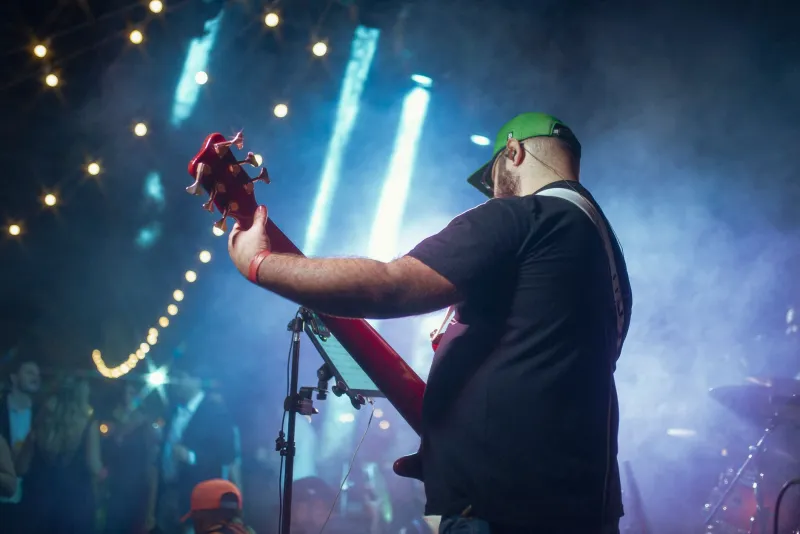
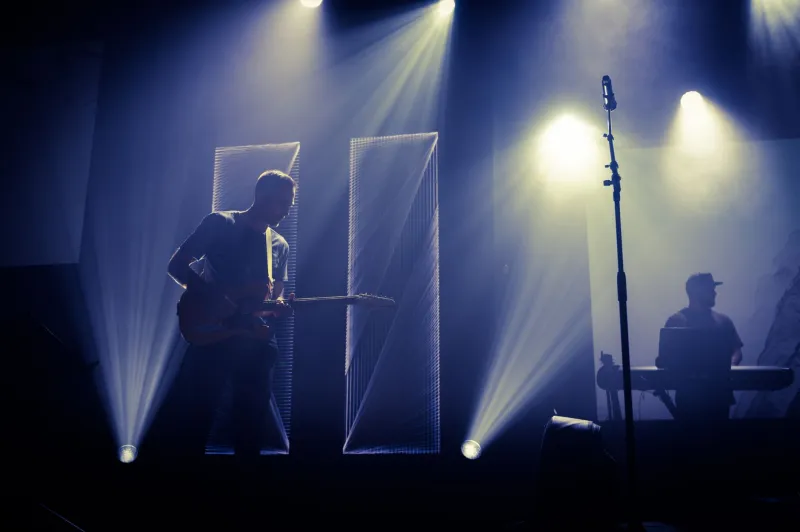
Before the First Note Plays: The Controlled Chaos of Pre-Show Sound Check
The doors are locked. The floor is empty. Somewhere near the back of the room, a lighting rig flickers on and off like it's having an argument with itself. And on stage, a drummer is hitting the same snare hit over and over again while a guy with headphones and a clipboard stares into the middle distance like he's listening to the universe.
Welcome to sound check — the two-hour window that most concertgoers never see and rarely think about, but that quietly determines whether tonight is going to be transcendent or a total mess.
At Francesca Live, we're all about getting you closer to the action. So we went behind the velvet rope to find out what actually happens in those critical hours before the house lights dim and the crowd pours in.
It Starts Way Earlier Than You Think
Here's the thing most fans don't realize: by the time the headliner steps onto the stage for their sound check, an army of people has already been there for hours — sometimes since before noon for an evening show.
Production crews, often called the "advance team," arrive at venues like Madison Square Garden or the Ryman Auditorium well before any performer sets foot through the backstage door. They're unloading trucks, hanging rigs, running cable, and essentially building a small city of equipment in a space that was probably hosting a hockey game or a corporate event the night before.
"People think sound check is when the artist walks out and strums a chord," says one touring front-of-house engineer who has mixed shows for major acts across arenas in the US. "By the time that happens, we've already done three hours of work just to make that chord possible."
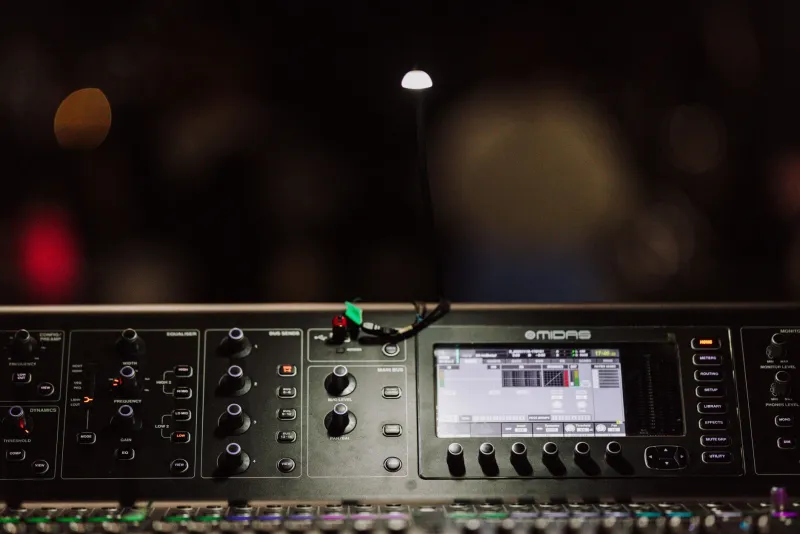
The process begins with what's called a line check — a systematic test of every single input in the system. Every microphone, every instrument feed, every monitor speaker. It's methodical and, honestly, a little tedious. But skip it and you're gambling with the entire show.
The Stage Is a Living Puzzle
Each performer on a bill has their own technical rider — a document that spells out exactly what they need on stage, from the brand of guitar strings to the specific model of in-ear monitors they use. For a festival or a multi-act show, the production team is essentially solving a puzzle in real time, figuring out how to accommodate everyone's requirements within the same physical and technical space.
Monitors — the speakers that face the performers rather than the audience — are a huge point of focus during sound check. What the artist hears on stage is completely different from what the crowd hears out front, and getting that balance wrong can throw off an entire performance. Singers who can't hear themselves tend to either oversing or go flat. Guitarists who can't hear the kick drum lose the pocket of the groove.
"The monitor mix is basically the performer's lifeline," explains one monitor engineer who works regularly with touring acts through the Southeast and Midwest. "If they can't hear what they need to hear, everything falls apart — no matter how talented they are."
Lighting designers are running their own parallel track during this window, programming cues, testing moving heads, and syncing up any video or LED elements to the set list. On bigger productions, the lighting console looks like something out of a NASA control room. Every color shift, every strobe hit, every follow-spot cue is mapped out in advance — but there's always last-minute tweaking based on how the room actually looks when the rig is fully powered up.
The Artist Walk-On: More Ritual Than Rehearsal
When the headliner finally takes the stage for their portion of sound check, it's often shorter than people expect — sometimes just 20 or 30 minutes. But what happens in that window is fascinating.
For some artists, it's pure technical business. They'll run a few songs, flag any issues with their in-ears, maybe ask for more of a specific instrument in their mix, and that's it. For others, it's closer to a warm-up ritual — a chance to shake out nerves, get comfortable in the room, and mentally transition from "regular person" to "performer."
Venues have wildly different acoustics. A concrete arena in Denver sounds nothing like a theater in Nashville or an amphitheater on the outskirts of Austin. Artists and their engineers are constantly adapting, and sound check is where that adaptation happens live, in the room, with real equipment.
"Every room has its own personality," one touring vocalist told us between shows on a recent US run. "Sound check is where I figure out how to work with it instead of against it. Some rooms eat high frequencies. Some have this crazy low-end buildup near the stage. You have to find out before the show, not during it."
When Things Go Sideways
Not every sound check goes smoothly — not by a long shot. Equipment fails. A piece of gear that worked perfectly at the last three venues suddenly decides tonight is the night it's going to quit. A wireless microphone picks up interference from the arena's own Wi-Fi network. A lighting fixture overheats and needs to be swapped out from a rig that's 40 feet in the air.
The ability to troubleshoot fast, under pressure, with the clock ticking toward doors-open time, is what separates great production crews from everyone else. It's a skill set that doesn't get nearly enough credit.
"Nobody in the audience knows when we've just solved a crisis," laughs one production manager who has worked tours across the US for over a decade. "They just know the show was great. Which is exactly how it should be."
The Quiet Before the Storm
Once sound check wraps, there's a brief, strange calm that settles over the venue. Crew members grab food. Performers retreat to their dressing rooms. The stage sits empty but ready — every cable taped down, every instrument in its place, every light focused and waiting.
Then the doors open, and the room fills with people who have no idea how much work went into making the next two hours look effortless.
That's the magic of live entertainment, really. The best shows feel spontaneous, electric, almost accidental in their perfection. But behind every one of those moments is a team of people who spent the better part of a day making sure everything was exactly right before the curtain ever rose.
Next time you're settling into your seat and the lights go down, take a second to think about the invisible army that got you there. The show started a long time before you walked through those doors.