Thirty Minutes of Glory: Why Smart Artists Are Choosing the Opening Slot Over the Headliner Spot

Photo by Photo by Katherine Auguste on Unsplash on Unsplash
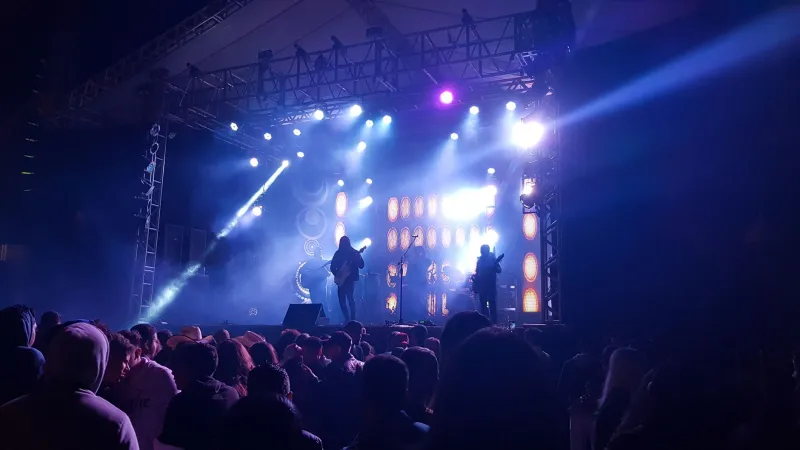
There's a moment that happens at almost every big arena show. The lights drop, a name most of the crowd barely recognizes flashes on the screens, and 20,000 people collectively shrug. Thirty minutes later, those same people are pulling up Spotify before the house lights even come back on. That's the opener's secret weapon — and a lot of artists are starting to figure it out.
The conventional wisdom in the music business has always been pretty simple: you climb the ladder. You play the small rooms, you open for bigger acts, and eventually you headline. The opener slot is a stepping stone, not a destination. But talk to the artists who've actually been there, and a more complicated picture starts to emerge. Some of them didn't just survive the opener slot — they weaponized it.
The Pressure Is Different (And That's a Good Thing)
When you're headlining, the audience already bought the ticket for you. They showed up because they love you. There's a built-in safety net, and honestly, that safety net can make you lazy. The stakes feel lower.
When you're opening, none of that exists. You've got 30 minutes, a crowd that's mostly there for someone else, and exactly zero goodwill to coast on. Every song has to earn its place. Every transition has to land. You can't afford a slow middle section or a deep cut that only the superfans know.
That pressure, it turns out, produces some of the most electrifying live performances in the business.
Rising indie-pop artist Dani Reeves — who spent the better part of 2023 opening for a major-label country crossover act across arenas in the South and Midwest — put it plainly: "You walk out there and nobody knows your name. By the time you walk off, you want them to feel like they've been missing out for years. That urgency makes you sharper. I've never played better than I did on that run."
Reeves turned that 28-city opener stint into a sold-out headline tour of mid-size venues the following spring. The math worked.
The Numbers Don't Lie
Here's something the industry has quietly known for a while: a well-placed opener slot with a compatible headliner can deliver audience numbers that a mid-level artist simply couldn't buy on their own.
Play 25 arena dates as an opener, and you're performing for somewhere between 10,000 and 20,000 people a night. That's potentially 500,000 new ears on your music over the course of a single tour. Compare that to headlining a club or theater run where you're pulling 500 to 2,000 a night to an audience that already knows every word — and the opener math starts looking really attractive.
Streaming data backs this up. It's become increasingly common for openers to see significant Spotify follower spikes and playlist additions during and immediately after a high-profile tour run. The algorithm notices when a few hundred thousand people suddenly start searching for the same unfamiliar name on the same nights across different cities.
Why Some Artists Are Actually Turning Down Headline Offers
This is where it gets really interesting. There's a growing group of artists — particularly in the indie, alternative, and country spaces — who are strategically passing on headline offers to stay in the opener lane just a little longer.
The logic is counterintuitive but sound. If you headline too early, you're playing to the fans you already have in rooms that fit your current draw. You're not growing — you're just serving the existing audience. But if you open for the right act, in front of the right crowd, at the right moment in your trajectory? You can add a whole new tier of fans in a single tour cycle.
Manager and industry consultant Tara Okonkwo, who has guided several artists through this exact decision, explains it this way: "We always ask — who's in that room? If the headliner's audience overlaps with where our artist wants to go, staying as the opener for one more cycle is almost always the smarter play. You can headline next year to a much bigger room. Why rush?"
There's also a financial calculation that often gets overlooked. Headlining means you're covering production costs, routing, crew, and marketing out of the gate. Opening means most of that is already handled. For an artist who's still building infrastructure, that difference can be the line between a tour that builds momentum and one that quietly bankrupts you.
The Set That Has to Be Perfect
Of course, none of this works if the actual performance doesn't deliver. The condensed format of an opener set demands a different kind of discipline than headlining.
There's no room to warm up. Song one has to be a statement. The setlist architecture matters enormously — you need a fast climb, a moment of genuine connection, and an ending that makes people want more rather than giving them everything. It's more like writing a short story than a novel. Every word counts.
Some of the most legendary sets in rock history were opening performances. A young Jimi Hendrix famously upstaged the Monkees on their 1967 tour — an opener situation so uncomfortable and so electrifying that he eventually withdrew from the tour entirely, having made his point. Guns N' Roses opened for Aerosmith in 1988 and walked away from that run as bona fide stars. The opening slot has a long history of launching the acts that eventually eat the headliner's lunch.
What Fans Actually Remember
Ask anyone who's been to a major arena show about the opener, and you'll often get one of two answers: either they barely remember it, or it was the highlight of the whole night.
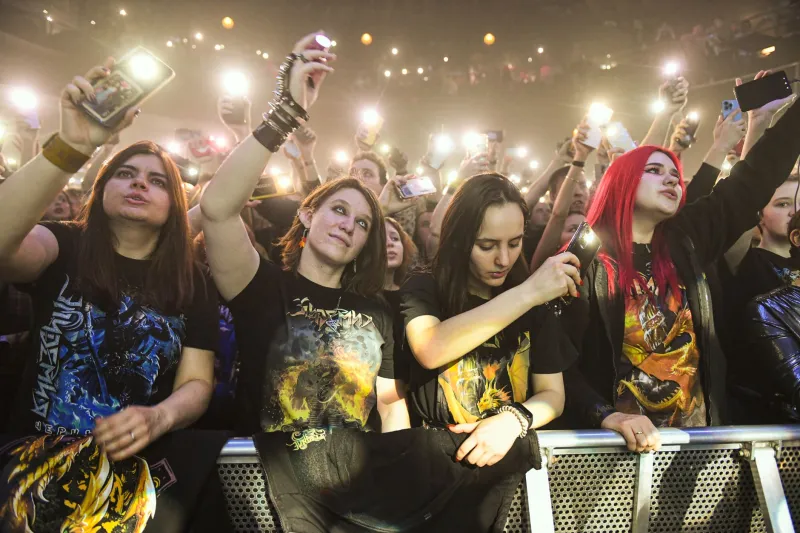
That second group is the one that matters. When an opener breaks through the crowd's indifference and creates a genuine moment — a song that hits unexpectedly, a stage presence that commands attention, a raw energy the polished headliner can't quite match — it sticks. It sticks harder, in some ways, than the headliner does, because nobody was expecting it.
That's the opener's real superpower. Low expectations are a gift. Walk out onto that stage and exceed them, and you haven't just played a show — you've made a fan for life.
For the artists who understand that, the opening slot isn't a consolation prize. It's a launchpad. And a lot of them are starting to treat it accordingly.